Admission CTGs: Do they improve outcomes?

Today’s post summarises the evidence about the use of admission CTGs.

Electronic fetal monitoring
Today’s post summarises the evidence about the use of admission CTGs.
I was all set to have a few weeks away from blog writing, when this Facebook post appeared over the weekend. I feel compelled to set out some actual facts about telemetry CTG monitoring to counter the claims made in this request for donations. Then I’m going to take a few weeks off! What is telemetry CTG monitoring? Standard CTG technology uses wires to connect the sensors on the woman’s […]

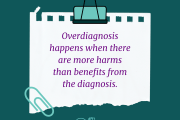
When you have been using a test for years and years, you assume someone way back at the beginning did some pretty decent research to determine what numbers are “normal” and a sign of good health, and what numbers are “abnormal” and a sign of poor health. But is that always the case? Why do we test cord blood acid levels? The testing of fetal and neonatal blood acid levels […]
Unlike Dr Who, we can’t drop into our future timeline to see what the consequences of our current decisions are. If we could, would we make different choices?

I was excited to see a new paper, setting out the evidence for intermittent auscultation in labour (Anderson, et al., 2023). It was published in a journal for US based nurse-midwives, so it relates to the context of care in that country. Let’s see how they did in terms of getting the facts right. Is their evidence accurate? They wrote that: All this is correct, except that one of the […]

Hypoxic ischaemic encephalopathy (or HIE) is a condition affecting newborn infants. As the name suggests, it relates to low oxygen supply (hypoxia), and / or reduced blood flow (ischaemia) causing damage (-pathy) to the brain (encephalo-). Other parts of the body might also show signs of damage from low oxygen, like the kidneys or the gut. It is diagnosed when there is a combination of high acid levels in umbilical […]

While last week’s post questioned whether we should be doing antenatal CTGs at all, this week’s post explores the positive impact of a shift from referring women into obstetric care for antenatal CTG monitoring to providing this in primary midwife-led care. Maternity care in the Netherlands The Netherlands offers a very different approach to maternity care than most other high income countries. Midwifery care is very much accepted and supported […]

A recently published paper from Taiwan has caught my eye (Cheng, et al., 2023). Researchers don’t often find new technology can reduce the caesarean section rate, but that’s what this group have done. Let’s dig in and see what it was all about. (The paper is open access so feel free to grab a copy and read along with me). What was the new tech? The authors described a newly […]
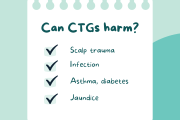
Does CTG monitoring generate more harm than benefit for babies? Here’s the evidence….

What are the psychological consequences of CTG monitoring? Sadly, we don’t actually know….
 Birth Small Talk